







A practical home recovery setup does not need to take over a room or include every type of tool. This guide focuses on choosing useful options for your living space and daily routine, whether you want a compact tool, a comfortable seated option or a way to wind down at the end of the day.
The best recovery tools for home use depend on your space, preferences and the activities you do. A foam roller or massage ball is compact and versatile, while a massage gun or compression product may suit people who prefer a more hands-off option. Sleep and relaxation products can also be useful when winding down is part of your wider routine.
Quick Answer: What Are the Best Recovery Tools for Home?
For most home setups, start with one mobility tool and one option that feels comfortable to use after activity. A foam roller and massage ball cover many common uses without taking much space. If you prefer a powered tool, a massage gun may be a better fit. Choose compression, heat or relaxation products only when they suit your normal routine and available space.
The goal is not to create a clinic at home. It is to make recovery habits easier to repeat.
Start With Your Routine, Not the Product
Think about when you would realistically use a recovery tool. Someone who trains at home may want a roller kept near their exercise space. Someone who spends a day on their feet may prefer a compact option that can be used while seated. If evenings are your only free time, a comfortable relaxation or sleep-focused product may be more useful than another piece of gym equipment.
Recovery also includes the basics: enough rest, regular meals, fluids and sensible changes to training when you are unusually tired. Our article on what exercise recovery means explains how these parts fit together.
Foam Rollers for Everyday Mobility
Foam rollers are a straightforward choice for home use because they are versatile and easy to store. They can be used as part of a short mobility routine after training or on a recovery day. Choose a roller density that feels manageable and use controlled movements rather than trying to force deep pressure.
A roller is often a good first purchase for people who want one tool that can be used across different routines. Learn more in our guide to foam roller benefits for recovery.
Massage Balls for Small Spaces
Massage balls are one of the easiest recovery tools to keep at home. They take very little room and can be used against a wall, on the floor or while seated. Because you can change your body position, it is easier to keep the pressure comfortable.
They can complement a foam roller rather than replace it: use a roller for broader areas and a ball where you want a more localised approach. A peanut massage ball set is a compact option for a simple home setup.
Massage Guns for Convenient Sessions
A massage gun can be convenient when you prefer a powered option or find floor-based tools awkward to use. It can be used in a short session after training or during a quiet evening at home. Start with a low setting, keep the tool moving and follow the manufacturer’s instructions.
Massage guns should be used as a comfort-focused addition to your routine, not as a way to ignore sharp pain or push through an injury. Browse our Massage & Recovery Tools range to compare powered and manual options, or see our guide to massage guns versus massage rollers if you are choosing between the two.
Compression and Relaxation Options
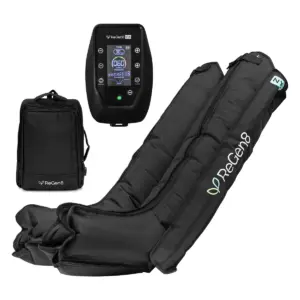
Compression products, leg massagers, pillows and other comfort-focused items may suit people who want to create a more relaxed end-of-day routine. The right choice depends on where you feel tired after your usual activity and whether you will genuinely use the product at home.
Focus on comfort, space and convenience. A useful recovery setup should support your routine without becoming another task to manage.
How to Choose the Right Combination
You do not need to buy all of these products at once. A simple combination can be enough:
- Small space: a massage ball and compact foam roller;
- After training: a roller or massage gun plus light movement;
- Long days on your feet: a seated comfort or leg-focused option;
- Wind-down routine: a relaxation or sleep-focused product alongside a consistent bedtime routine.
Choose products based on your actual routine, not on what looks most advanced. You can always add another tool later if the first one is being used consistently.
Use Recovery Tools Safely
Use light to moderate pressure and avoid working directly over joints, broken skin, significant swelling, bruising or an area that feels sharply painful. Stop if symptoms worsen, alter normal movement or include numbness or weakness. Recovery tools are not a substitute for medical assessment where that is needed.
For normal post-exercise tiredness, keep sessions brief, comfortable and consistent. Our weekly recovery routine guide can help you place these habits around training and rest days.
For general information on fitness and exercise, visit Healthdirect Australia.
Final Thoughts
The best recovery tools for home use are the ones that fit your space and make it easier to maintain a simple routine. Start with one or two versatile options, then build only when you know what you will use.
Explore the full Recovery range for home-friendly massage, mobility, support, sleep and relaxation options.


 Back & Core Support
 Braces & Supports
 Massage & Recovery Tools
 Sleep & Comfort
 Relaxation & Wellness
 Free Weights
 Strength Equipment
 Cardio Equipment
 Functional Training
 Training Accessories


