







Recovery tools are commonly used by athletes, fitness enthusiasts and active individuals looking to support mobility and post-exercise recovery. Whether you’re recovering after exercise, managing everyday muscle tightness or simply looking to improve your recovery routine, this type of recovery equipment can be a valuable addition to your toolkit.
Massage rollers are available in a variety of styles, including foam rollers, handheld rollers and textured recovery rollers. They are commonly used to target areas of muscle tension and support movement before or after physical activity.
What Is a Massage Roller?
A massage roller is a recovery tool designed to apply pressure to muscles and soft tissues through controlled rolling movements. They are often used as part of a recovery routine to help support flexibility, mobility and overall comfort.
Massage rollers are commonly used on:
- Calves
- Hamstrings
- Quadriceps
- Glutes
- Upper back
- Shoulders
A massage roller can be a useful part of a broader recovery plan, but consistent movement, hydration, nutrition and sleep all play an important role in supporting recovery and overall wellbeing.
Many people include massage rollers alongside other recovery products to create a more complete recovery routine.
Massage Roller Benefits for Muscle Recovery
One reason massage rollers remain popular is their versatility. They can be used before exercise, after training sessions or as part of a general wellness routine.
Potential benefits of using a massage roller include:
- Supporting mobility and movement
- Helping to reduce feelings of muscle tightness
- Supporting post-workout recovery routines
- Encouraging relaxation after activity
- Targeting specific muscle groups
For people looking to build a recovery-focused routine at home, massage rollers are often included among the best recovery tools for home use due to their simplicity and ease of use.
Supporting Mobility and Flexibility
Mobility is an important part of maintaining an active lifestyle. Tight muscles can affect movement quality and overall comfort, particularly after exercise or long periods of sitting.
Regular use of a recovery roller may help support mobility by encouraging muscles to relax and move more freely. Many people use these tools before exercise as part of a warm-up or after training as part of their recovery routine.
Combining mobility work with other massage and recovery tools can help create a balanced recovery strategy.
Helping to Reduce Muscle Tightness
Exercise, physical work and everyday activities can all contribute to muscle tightness. Recovery rollers provide a convenient way to apply targeted pressure to areas that feel particularly tense.
Popular target areas include:
- Calves after running or walking
- Quadriceps following leg training
- Hamstrings after sports and fitness activities
- Upper back and shoulders after long periods at a desk
For individuals exploring different recovery methods, our article on Massage Gun Benefits for Muscle Recovery discusses another popular recovery option.
Different Types of Massage Rollers
Not all massage rollers are the same. Different styles are designed to suit different recovery preferences and muscle groups.
Foam Rollers
Foam rollers are among the most commonly used recovery tools. They are available in various densities and sizes and are ideal for larger muscle groups.
You can learn more in our guide to Foam Roller Benefits for Recovery.
Handheld Massage Rollers
Handheld rollers allow users to apply pressure directly to specific areas. They are often used on the calves, forearms, shoulders and upper back.
Their portability also makes them convenient for use at home, work or while travelling.
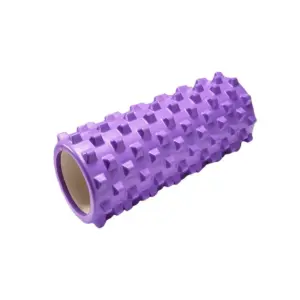
Textured Massage Rollers
Textured rollers feature raised patterns that provide a different rolling experience compared to smooth rollers. Some users prefer textured surfaces when targeting particular muscle groups.
Massage Roller vs Other Recovery Tools
These recovery tools are often used alongside other recovery equipment rather than as a standalone solution.
Many active individuals combine recovery rollers with:
- Massage guns
- Stretching routines
- Mobility exercises
- Recovery mats
- General wellness practices
If you’re comparing different recovery options, our guide to Best Muscle Recovery Tools for Faster Recovery explores a range of recovery products commonly used by active individuals.
Building a Better Recovery Routine
Recovery extends beyond a single tool. A balanced recovery routine may include:
- Regular movement and mobility work
- Adequate hydration
- Balanced nutrition
- Quality sleep
- Appropriate recovery equipment
Choosing the Right Massage Roller
When selecting a massage roller, consider:
- The muscle groups you want to target
- The size and portability of the roller
- The firmness of the material
- The surface texture
- Your recovery goals and experience level
Beginners often prefer softer rollers, while experienced users may choose firmer options for more targeted pressure.
Final Thoughts
A massage roller is a simple yet versatile recovery tool that can support mobility, flexibility and post-exercise recovery routines. Whether you’re an athlete, fitness enthusiast or simply looking to improve everyday comfort, incorporating a massage roller into your recovery plan may help support an active lifestyle.
For those looking to expand their recovery setup, explore our range of recovery products and massage and recovery tools.
For additional information about foam rollers, their potential benefits and safe use, visit Healthline’s guide to foam rolling.
Shop massage rollers for recovery
Compare different roller styles, textures and sizes for mobility work and post-exercise routines.


 Back & Core Support
 Braces & Supports
 Massage & Recovery Tools
 Sleep & Comfort
 Relaxation & Wellness
 Free Weights
 Strength Equipment
 Cardio Equipment
 Functional Training
 Training Accessories


